If you wonder how access to clean water around the world looks today, the answer is mixed. As of WHO and UNICEF’s August 2025 report, 1 in 4 people still lack safely managed drinking water.
This explainer sits within the wider topic of global development, where water is one of the clearest tests of whether progress reaches everyone.
| Measure | Latest estimate |
|---|---|
| People without safely managed drinking water | 2.1 billion (1 in 4 people) |
| People drinking directly from untreated surface sources | 106 million |
| People without safely managed sanitation | 3.4 billion |
| People practising open defecation | 354 million |
| People without basic hygiene services at home | 1.7 billion |
| Drinking water coverage gap in fragile contexts | 38 percentage points lower than in other countries |
The figures come from the WHO news release and the JMP report page, both dated August 2025. Estimates are revised with each update, so check the source before you rely on them.
How many people still lack safe drinking water?
The WHO/UNICEF Joint Monitoring Programme (JMP) estimates that 2.1 billion people, or 1 in 4 worldwide, still lack safely managed drinking water. That includes 106 million who drink directly from untreated surface sources, according to the JMP report page.
The picture is not only bleak. Between 2000 and 2024 the global population rose from 6.2 to 8.2 billion, and about a quarter of people (2.2 billion) gained safely managed drinking water, as the same report notes. Even so, progress has been uneven, and the number of people left behind has fallen more slowly.
The figures come from a report called Progress on Household Drinking Water and Sanitation 2000-2024: special focus on inequalities, which WHO and UNICEF launched during World Water Week 2025. Everything below reflects that August 2025 release.
What “safely managed” actually means
The headline number depends on a strict definition. The JMP counts safely managed drinking water only when it meets every one of these conditions, as set out in the WHO release:
- It comes from a source located on the premises.
- It is free from contamination.
- It is available when needed.
Sanitation has a parallel standard: hygienic toilets from which wastes are treated and disposed of safely. A source that is far away, contaminated or unreliable therefore falls short of the standard, even if a tap or well exists.
The JMP has tracked these services since 1990 and monitors Sustainable Development Goal targets 1.4, 6.1 and 6.2, according to the WHO release. The wider framework behind those targets is covered in a separate piece on sustainable development goals explained.
Where the gaps are widest
The UNICEF fast facts say that people in low-income countries, fragile contexts, rural communities, children, and minority ethnic and indigenous groups face the greatest disparities. Three comparisons show how large the gaps are:
- In least developed countries, people are more than twice as likely as people elsewhere to lack basic drinking water and sanitation, and more than three times as likely to lack basic hygiene.
- In fragile contexts, safely managed drinking water coverage is 38 percentage points lower than in other countries.
- Rural communities have improved but still lag behind, while urban coverage has stagnated.
Rural areas have seen real gains. Safely managed drinking water coverage rose from 50 per cent to 60 per cent between 2015 and 2024, and basic hygiene coverage from 52 per cent to 71 per cent, according to the WHO release. In contrast, drinking water and hygiene coverage in urban areas has stagnated.
The JMP draws on the OECD’s idea of fragility: exposure to risk combined with insufficient coping capacity in the state, systems or communities. For background on how country groupings are framed, the explainer on global south meaning is a useful companion.
Sanitation and hygiene gaps
Sanitation and hygiene lag behind drinking water. About 3.4 billion people still lack safely managed sanitation, including 354 million who practise open defecation, per the WHO release.
On hygiene, 1.7 billion people lack basic services at home, and 611 million of them have no facilities at all. The two figures matter together, because clean water is of little use without a place to wash hands safely.
There has been progress. Between 2000 and 2024 about a third of the population (2.8 billion) gained safely managed sanitation, the JMP report page says. But the share of people still unserved has increasingly concentrated in low-income countries, and the population without these services is declining everywhere except urban areas and low-income countries.
Who carries the burden of collecting water
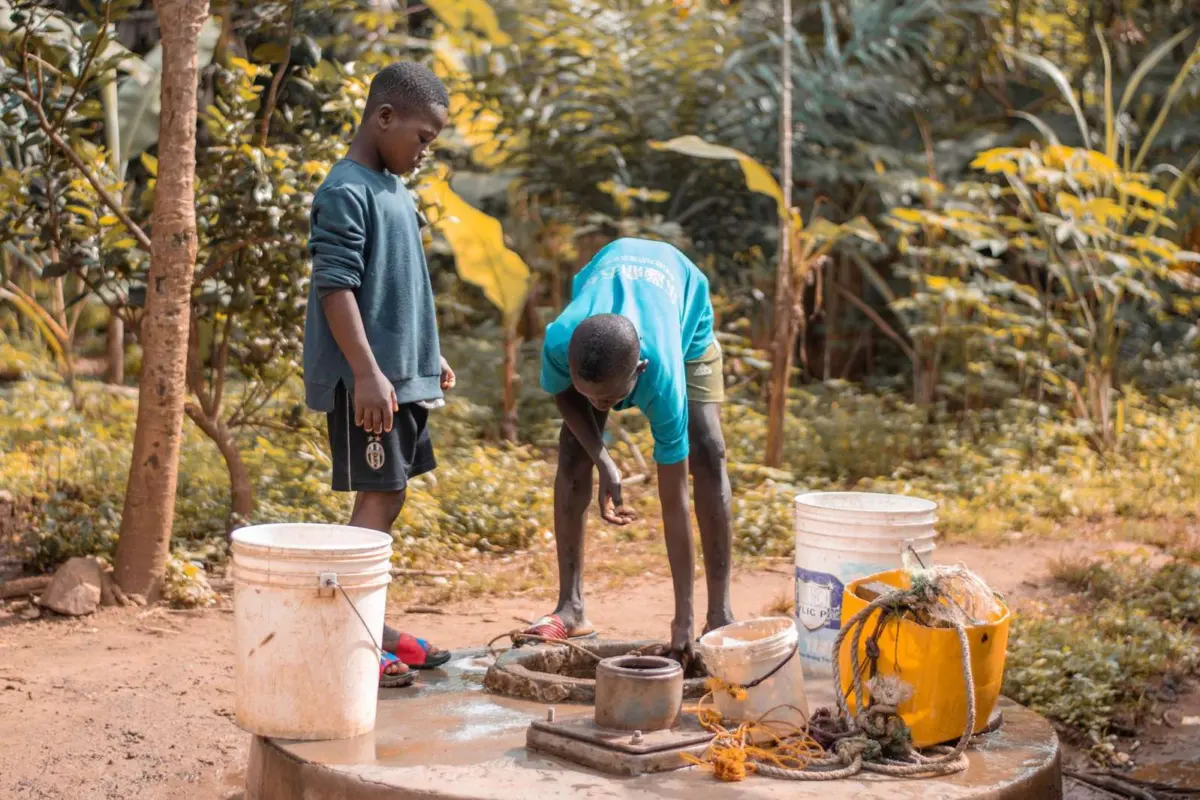
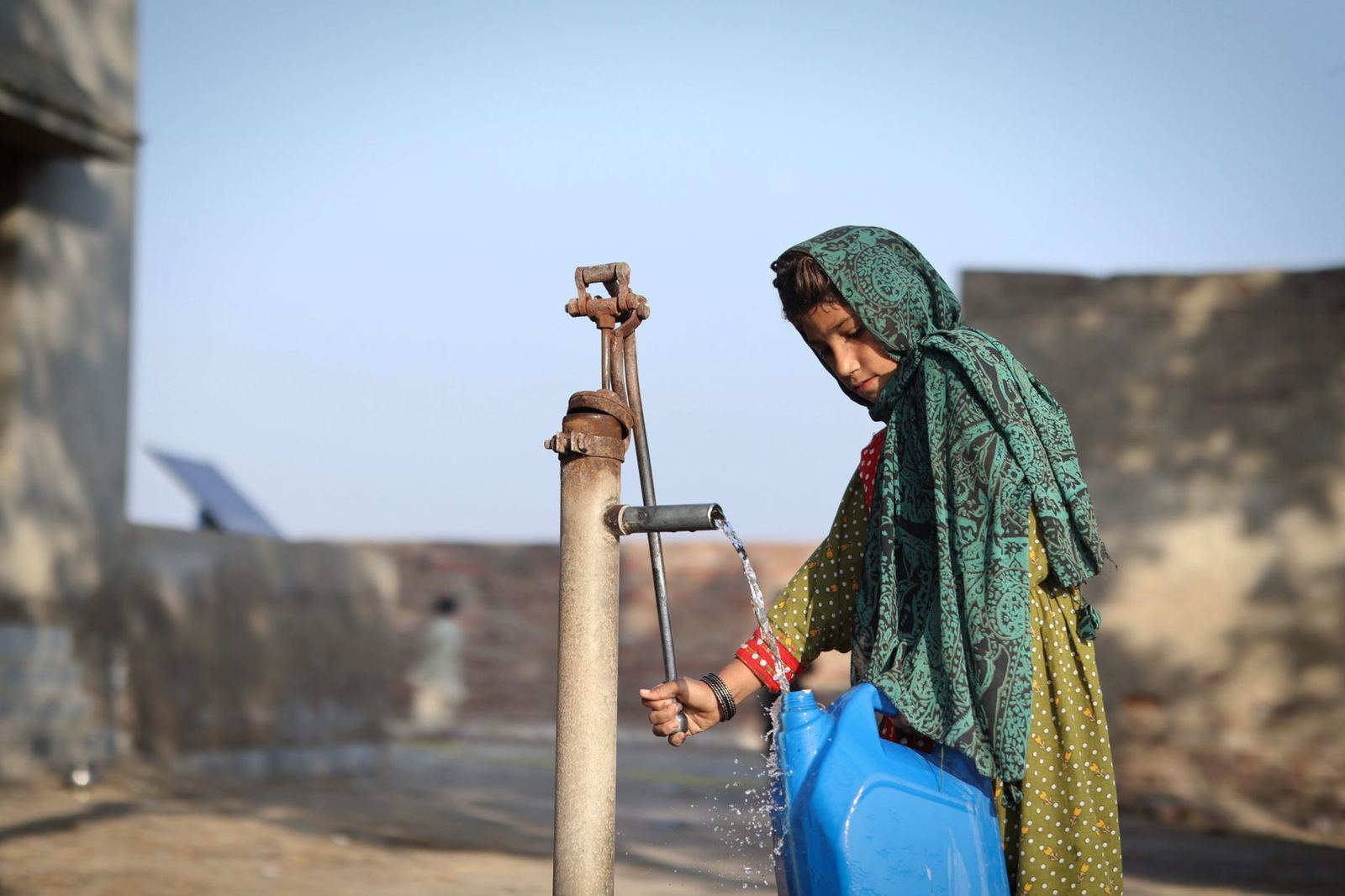
When water is not on the premises, someone has to fetch it. In most countries with available data, women and girls are primarily responsible for water collection, and many in sub-Saharan Africa and Central and Southern Asia spend more than 30 minutes per day on it, according to the UNICEF fast facts.
The report also added expanded menstrual health data for 70 countries. Most women and adolescent girls have menstrual materials and a private place to change, but many lack enough materials to change as often as needed. Girls aged 15-19 are less likely than adult women to take part in school, work and social activities during menstruation.
Will the 2030 targets be met?
As of the August 2025 report, achieving the 2030 targets for ending open defecation and universal basic water, sanitation and hygiene services will require acceleration. Universal coverage of safely managed services appears increasingly out of reach, the WHO release states.
WHO’s Dr Ruediger Krech put it this way in the same release: “Water, sanitation and hygiene are not privileges, they are basic human rights.” The practical message from the monitoring data is that the people hardest to reach, in fragile settings, low-income countries and rural areas, are where progress will be decided.
Frequently asked questions
Does “1 in 4” mean people have no water at all?
Show answer
No. The figure measures a high standard, not the absence of any source. Many people in that group have some water supply that falls short on location, contamination or availability, as the WHO release defines it.
Who produces these statistics?
Show answer
The WHO/UNICEF Joint Monitoring Programme. Its database includes nearly 9,000 national datasets and produces estimates for 237 countries, areas and territories, as described on the JMP report page.
How often are the numbers updated?
Show answer
The JMP releases progress updates for households, schools and health care facilities every 2 years, per its report page. Check the latest release before quoting a figure.
Are rural areas still behind?
Show answer
Yes, although they have improved. Rural coverage of safely managed drinking water rose from 50 per cent to 60 per cent between 2015 and 2024, while urban coverage has stagnated, according to the WHO release.