If you’re worried about vanishing wildlife, here is the short answer. The causes of biodiversity loss, ranked in a 2019 global assessment, are land and sea use change, direct exploitation, climate change, pollution and invasive alien species.
This explainer sits within the wider topic of sustainability and focuses on what pushes species and habitats into decline.
| Item | Value |
|---|---|
| Species at risk of extinction | About 1 million animal and plant species |
| Greenhouse gas emissions since 1980 | Doubled, with average global temperatures up by at least 0.7 degrees Celsius |
| Land whose productivity has declined through overuse | 23 per cent of land globally |
| Crops at risk from pollinator loss each year | Up to US$577 billion |
| Assessed SDG targets undermined by current negative trends | 35 out of 44 (80%) |
These figures come from coverage of the 2019 IPBES assessment, via SciDev.Net and the Ecosystem Services Partnership. They can change as new research appears, so check the source before you rely on them.
What are the main causes of biodiversity loss?
The most comprehensive ranking comes from the IPBES Global Assessment, compiled by 145 expert authors from 50 countries, according to the Ecosystem Services Partnership. Its authors ranked the five direct drivers of change in nature with the largest relative global impacts so far, in descending order:
- Changes in land and sea use
- Direct exploitation of organisms
- Climate change
- Pollution
- Invasive alien species
The assessment was released in May 2019, so this ranking reflects the evidence available at that date. Later studies may shift the order, but it remains the clearest global comparison of the drivers.
These are called direct drivers because they act on nature itself. They in turn result from an array of underlying societal causes, which the assessment’s summary figure describes in a University of Southampton copy of the IPBES summary.
Land and sea use change and direct exploitation
The top two drivers dominate the picture. Land- and sea-use change and direct exploitation account for more than 50 per cent of the global impact on land, in fresh water and in the sea, although each driver is dominant in certain contexts, per the IPBES summary figure.
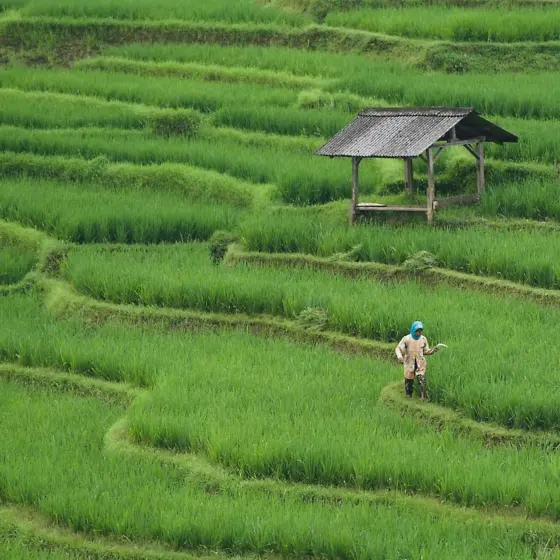
Farming shows how this pressure builds. SciDev.Net’s report notes that land use for crop production has increased by 300 per cent since 1980, while the productivity of 23 per cent of land globally has declined through overuse.
How food is grown therefore matters for wildlife, and our guide to sustainable agriculture practices looks at approaches that aim to ease that pressure.
Climate change, pollution and invasive species
Climate change ranks third, but its weight is growing. Since 1980, greenhouse gas emissions have doubled, raising average global temperatures by at least 0.7 degrees Celsius, the report notes, as reported by SciDev.Net.
Assessment co-chair Eduardo Brondizio put it plainly: “Land use change used to be the biggest driver [of biodiversity loss], followed by resource extraction, but now climate change is more pronounced – and most pronounced in the Global South.” Health Policy Watch adds that the impact of climate change is “expected to increase over the coming decades, in some cases surpassing the impact of land and sea use change and other drivers.”
Pollution and invasive alien species rank fourth and fifth. Lower in the ranking does not mean harmless, because each driver is dominant in certain contexts, as the IPBES summary figure states.
The underlying causes behind the drivers
Behind each direct driver sit indirect drivers. The IPBES summary figure says these causes “can be demographic (e.g., human population dynamics), sociocultural (e.g., consumption patterns), economic (e.g., trade), technological, or relating to institutions, governance, conflicts and epidemics.”
- Demographic: human population dynamics
- Sociocultural: consumption patterns
- Economic: trade
- Technological: how goods and energy are produced
- Institutional: governance, conflicts and epidemics
The same source says these indirect drivers are underpinned by societal values and behaviours. Consumption patterns are one example, and the fast fashion environmental impact shows how buying habits connect to a wider environmental footprint.
Why ecosystems suffer when nature declines
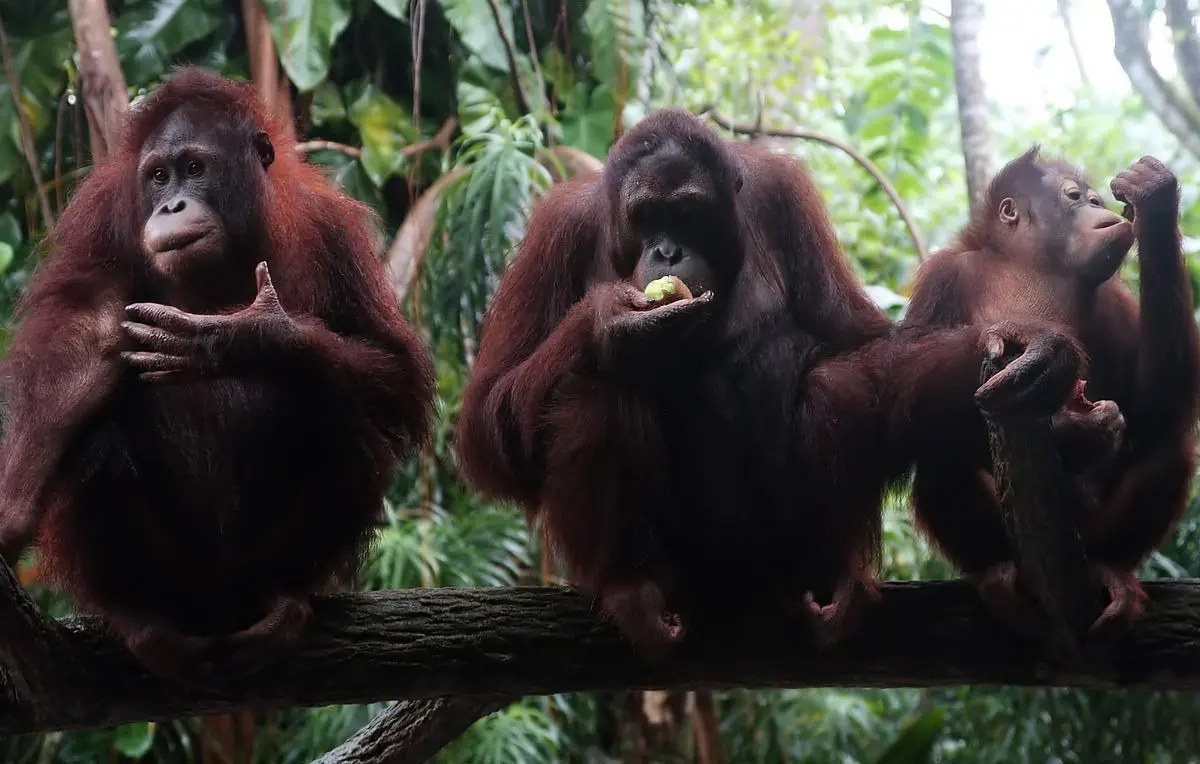
The damage reaches beyond wildlife. Health Policy Watch reports that around 1 million animal and plant species are threatened with extinction, and that global trends from 1970 show a decline for 14 of the 18 categories of nature’s contributions to people analysed.
Pollination is a concrete example. Up to US$577 billion worth of crops annually are at risk from pollinator loss, according to SciDev.Net.
The effects also spill into development goals. The Ecosystem Services Partnership says current negative trends will undermine progress towards 80% (35 out of 44) of the assessed targets of the Sustainable Development Goals, covering poverty, hunger, health, water, cities, climate, oceans and land.
IPBES chair Sir Robert Watson said humans are “eroding the very foundations of our economies, livelihoods, food security, health and quality of life worldwide.” In his words, loss of biodiversity is not only an environmental issue but also a developmental, economic, security, social and moral one.
What can still slow the loss?
The assessment’s message was not only gloomy. Watson said it is not too late to make a difference, but only if action starts at every level from local to global, through transformative change: a fundamental, system-wide reorganisation across technological, economic and social factors.
Local stewardship shows promise. Brondizio told Eco-Business that 35 per cent of the most diverse areas on the planet are managed by indigenous people, and that biodiversity is declining less rapidly in those areas.
Past targets show the scale of the gap. As of the 2019 assessment, there was good progress on components of only four of the 20 Aichi Biodiversity Targets, and most were likely to be missed by the 2020 deadline, according to the Ecosystem Services Partnership. The sources here do not cover what happened after that deadline.
Frequently asked questions
What is the biggest cause of biodiversity loss?
Show answer
In the 2019 IPBES ranking, changes in land and sea use came first, followed by direct exploitation of organisms. Brondizio has said climate change is now more pronounced as a driver, so the order may keep shifting.
How many species are threatened with extinction?
Show answer
SciDev.Net reported that the IPBES assessment put 1 million animal and plant species at risk of extinction. Newer assessments may give updated counts, so check them.
What is the difference between direct and indirect drivers?
Show answer
Direct drivers, such as land- and sea-use change or pollution, act on nature itself. Indirect drivers are societal causes, such as demographics, consumption patterns, trade and governance, that sit behind them.
Does biodiversity loss affect people?
Show answer
Yes. Health Policy Watch reports a decline for 14 of the 18 categories of nature’s contributions to people analysed. The Ecosystem Services Partnership adds that progress on many Sustainable Development Goal targets would suffer.