You want farming that lasts without wearing out the land. Sustainable agriculture practices, such as FAO’s conservation agriculture, keep soil covered, disturb it as little as possible and grow a variety of plants.
This guide is part of the wider sustainability series on this site.
| Item | Value |
|---|---|
| Farming system described | Conservation Agriculture (CA) |
| Soil cover | Permanent soil cover |
| Soil disturbance | Minimum soil disturbance |
| Plant species | Diversification of plant species |
| Where the principles apply | All agricultural landscapes and land uses, with locally adapted practices |
These points come from the Food and Agriculture Organization’s overview of Conservation Agriculture, whose page carries a 2026 copyright date. Figures and guidance can change, so check the source before you rely on them.
What sustainable agriculture practices aim to do
The Food and Agriculture Organization of the United Nations (FAO) describes Conservation Agriculture as a farming system that can prevent losses of arable land while regenerating degraded lands. That is a two-part goal: keep the good farmland you have, and help damaged land recover.
Sustainable farming is a broad field, and this guide follows one well-documented framework rather than every method in use. The FAO framework rests on three linked ideas:
- keeping the soil permanently covered;
- disturbing the soil as little as possible;
- growing a diversity of plant species.
Together, FAO says, they enhance biodiversity and natural biological processes above and below the ground surface. Those processes contribute to increased water and nutrient use efficiency and to improved and sustained crop production.
Protecting soil with cover and minimal disturbance
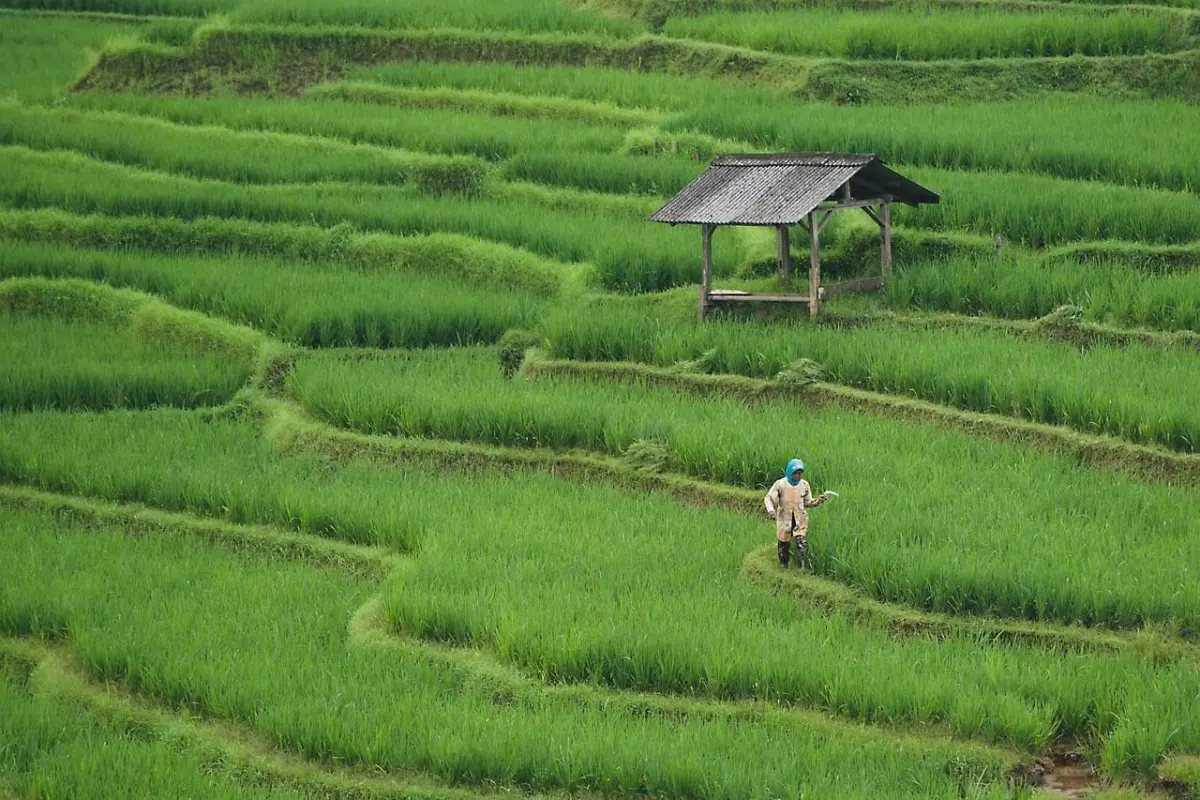
The first two principles are about the ground itself. FAO’s wording is permanent soil cover and minimum soil disturbance, so the soil is not left exposed and is not repeatedly broken up.
On the page, mechanical soil disturbance is described as reduced to an absolute minimum or avoided. In plain terms, the less a farmer interferes with the soil, the less that interference can disrupt the living processes within it.
Why plant diversity matters
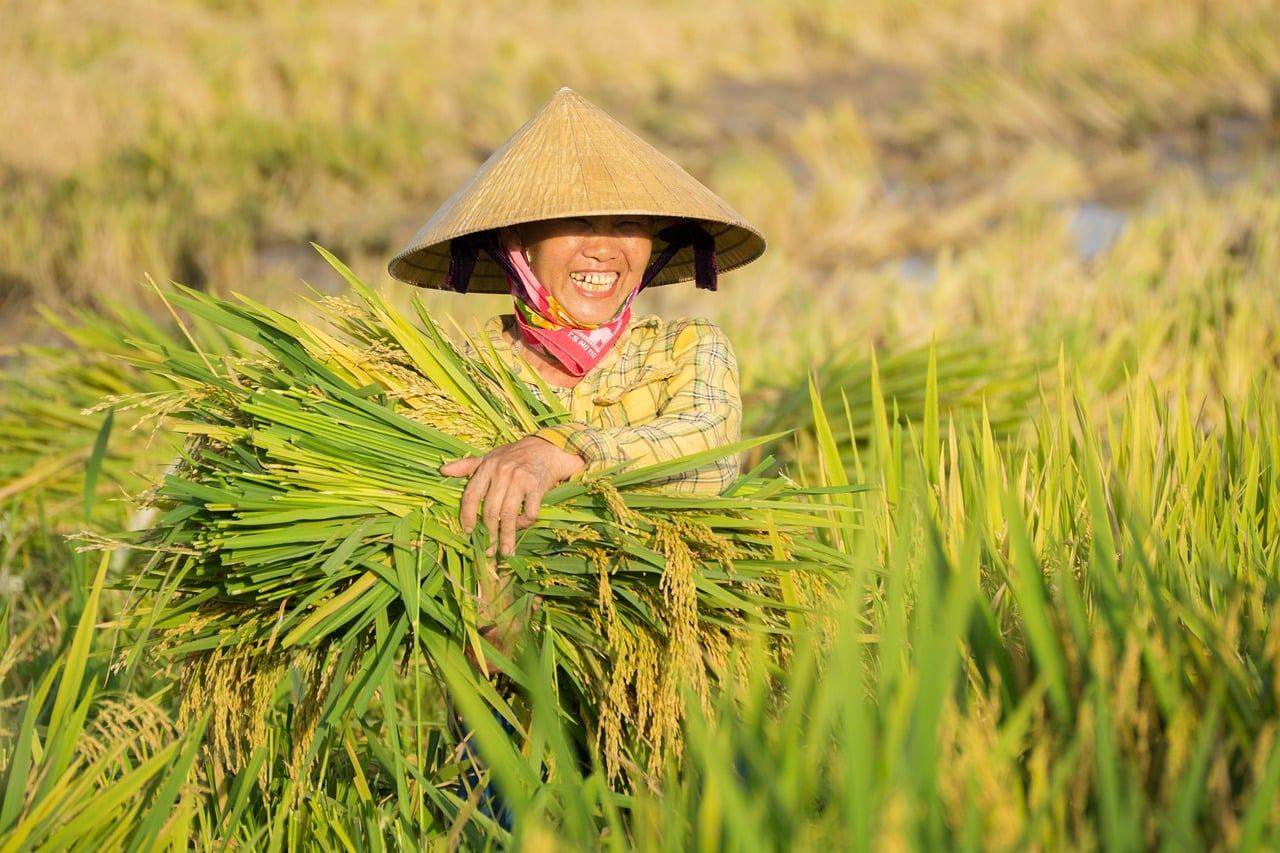
The third principle is diversification of plant species. Instead of relying on a single crop, the system builds variety into the farm.
FAO links this variety to biodiversity and to biological processes both above and below the ground. If you want the wider picture of what puts living systems at risk, the guide on the causes of biodiversity loss covers it.
Inputs, water and good agronomy
Conservation Agriculture does not ban inputs. FAO says external inputs such as agrochemicals and plant nutrients, whether of mineral or organic origin, are applied optimally and in ways and quantities that do not interfere with, or disrupt, the biological processes.
The aim is optimal application, not zero application. The framework also supports sound everyday decisions:
- timely field operations, which FAO counts as part of good agronomy;
- better overall land husbandry, for both rainfed and irrigated production;
- quality seeds;
- integrated pest, nutrient, weed and water management.
FAO says that, complemented by these other known good practices, CA is a base for sustainable agricultural production intensification. In other words, it is a foundation to build on rather than a complete recipe.
Crops, livestock, trees and pastures together
FAO notes that the system opens increased options for integration of production sectors. Two examples it names are crop-livestock integration and the integration of trees and pastures into agricultural landscapes.
This matters because farms are rarely a single activity. A system that lets crops, animals and trees work together gives a farmer more ways to adapt to local conditions.
Farming also sits inside the bigger climate story. To see how food and land use connect to emissions, read about what is a carbon footprint.
Adapting practices to your own landscape
FAO states that CA principles are universally applicable to all agricultural landscapes and land uses, with locally adapted practices. The principles stay the same, while the tools, crops and timing change with the place.
When you read about a farm or a programme, a few questions help you judge whether it follows these ideas:
- Is the soil kept covered, or left bare between crops?
- How much mechanical disturbance does the soil receive?
- How many plant species are grown?
- Are fertilisers and other inputs applied in measured quantities?
These questions are a reading aid built from the FAO principles, not an official certification test.
Frequently asked questions
What is Conservation Agriculture?
Show answer
According to FAO, it is a farming system that can prevent losses of arable land while regenerating degraded lands. It promotes permanent soil cover, minimum soil disturbance and diversification of plant species.
Does sustainable farming mean using no fertiliser or agrochemicals?
Show answer
Not according to the FAO page. It says external inputs are applied optimally, in ways and quantities that do not interfere with or disrupt the biological processes.
Does it only work in certain places?
Show answer
FAO says the principles are universally applicable to all agricultural landscapes and land uses. The practices themselves are adapted locally.
Can it be combined with livestock or trees?
Show answer
Yes. FAO names crop-livestock integration and the integration of trees and pastures into agricultural landscapes as options it opens up.