Wondering what sustainability really asks of you and your world? It means meeting human needs while staying within natural limits. UN-backed research says that is achievable, but only if the way resources are used changes fundamentally.
| Item | Value |
|---|---|
| Climate and health impacts of metals extraction and production, 2000 to 2015 | Doubled |
| Share of biodiversity loss and water stress caused by resource extraction and processing | 90 per cent |
| Possible rise in resource extraction by 2060 compared with 2020 levels, without urgent action | 60% |
| Year the Sustainable Development Goals are fixed to be realized | 2030 |
| Length of International Resource Panel work behind the 2024 outlook | More than 15 years |
These figures come from the UN Environment Programme’s Global Resources Outlook 2019 and its 2024 edition. They can change as new editions appear, so check the sources before you rely on them.
What does sustainability mean in practice?
At its simplest, sustainability is the idea that economies and societies can keep meeting people’s needs without wearing down the natural systems they depend on. The Global Resources Outlook frames this as growing economies and increasing well-being while remaining within planetary boundaries.
That framing matters because it treats prosperity and environmental limits as one problem rather than two. The question is not whether to protect nature or support people, but how to do both with the resources available.
In practice, sustainability work tends to fall into a few connected areas:
- How materials, fuels, food and water are extracted and used.
- How emissions and waste are reduced and, where needed, removed.
- How ecosystems and the species within them are protected.
- How the costs and benefits of change are shared fairly.
What the Global Resources Outlook says about limits
The 2019 edition, produced by the UN Environment Programme and the International Resource Panel, argues that a fundamental change in how natural resources are used is necessary to meet global ambitions. Those ambitions include prosperity, protection of biological diversity and land resources, and limiting global warming.
The report also carries a hopeful message. It finds that a combination of resource efficiency, climate mitigation, carbon removal and biodiversity protection policies makes it feasible to grow economies and stay within planetary boundaries.
The 2024 edition is more sobering. It describes a triple planetary crisis of climate change, biodiversity loss, and pollution and waste, and notes that rising trends in global resource use have continued or accelerated since the 2019 edition.
Its central warning is about demand: without urgent and concerted action, resource extraction could rise by 60% from 2020 levels by 2060. That would drive increasing damage and risks.
Where resource use meets biodiversity and water
One of the most striking findings in the 2019 outlook is that 90 per cent of biodiversity loss and water stress is caused by resource extraction and processing. Metals show how fast the pressure can build: from 2000 to 2015, the climate change and health impacts from extracting and producing them doubled.
Land use sits at the centre of this picture. The report notes that global land use is central to determining our food, material and energy supply, which links resource policy directly to farming and ecosystems.
Two topics help to unpack these links:
- The causes of biodiversity loss are explored in more detail in a dedicated guide.
- Food systems are covered in a companion piece on sustainable agriculture practices.
Practical solutions that work together
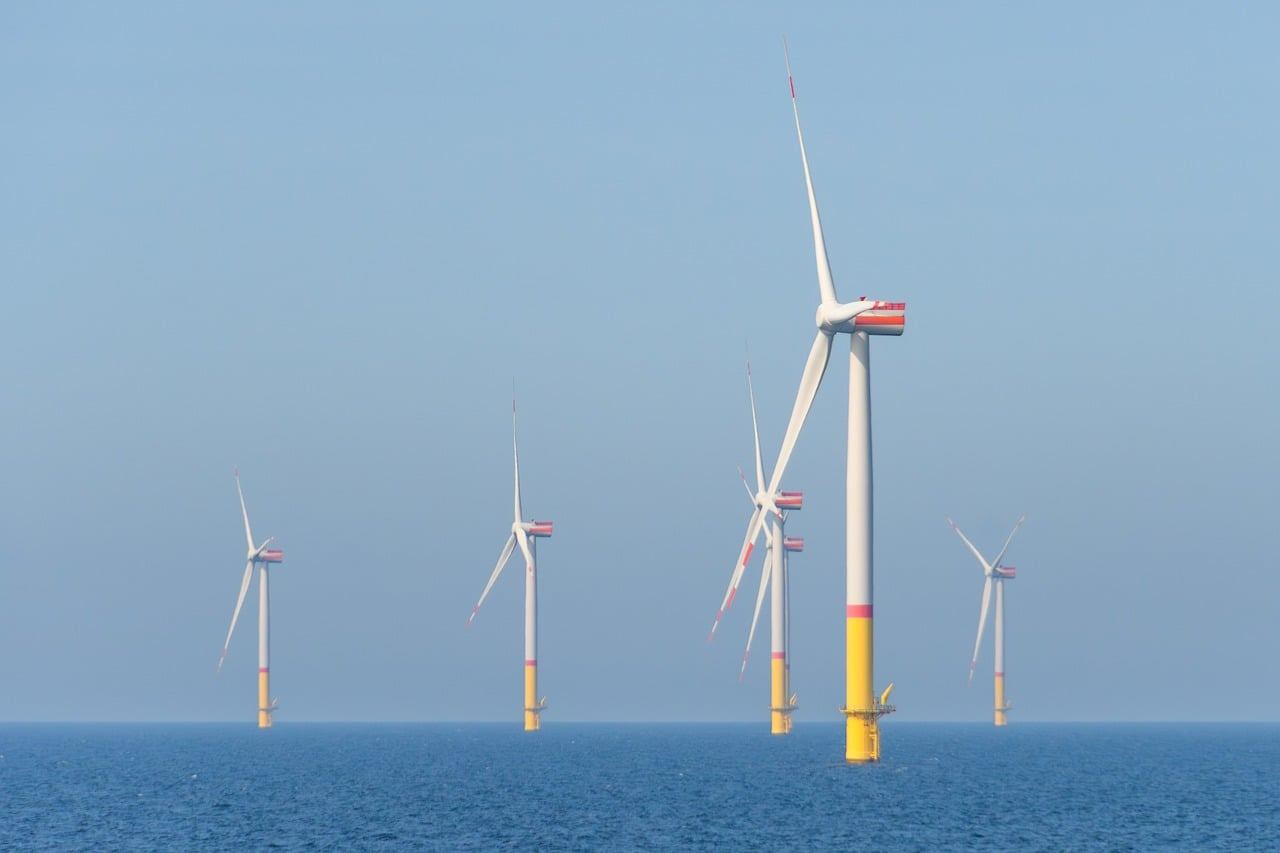
The source reports stress that no single measure is enough. Well-chosen and coordinated sustainability actions are what can achieve international ambitions for prosperity within planetary boundaries, and the 2019 outlook names resource efficiency, climate mitigation, carbon removal and biodiversity protection as the combined toolkit.
Each of those strands has its own deeper explanation:
- Using materials more efficiently and keeping them in use is the subject of what is the circular economy.
- Cutting the emissions that come from energy is covered in the guide to the renewable energy transition.
- Measuring your own or an organisation’s emissions starts with understanding what is a carbon footprint.
- Consumer industries matter too, and a closer look at fast fashion environmental impact shows how one sector connects to the wider resource picture.
The 2019 report adds that multi-stakeholder collaboration and innovative solutions are part of how the world can resource the future it wants. Governments, businesses and communities all hold part of the answer.
Why fairness and adaptation belong in the plan
The 2024 outlook looks not only at trends and impacts but also at the distributional effects of resource use. In other words, who gains and who bears the harm matters as much as the totals.
That is why sustainability planning cannot stop at cutting emissions. Communities already facing harm need ways to cope, which is the focus of the comparison of climate adaptation vs mitigation.
Workers and regions that depend on high-impact industries also need a route forward, and the guide on what is a just transition explains that idea. Broader questions about how nations grow and share progress are covered under global development, while the role of new tools and systems is explored in technology and society.
What to watch next
The Sustainable Development Goals are fixed to be realized in 2030, according to the 2019 outlook, so the remaining years are decisive. When new editions of the outlook appear, look for whether resource use is still rising and whether the combined policy toolkit is being applied together.
Frequently asked questions
What is sustainability in simple terms?
Show answer
It is the effort to meet human needs while staying within planetary boundaries. The Global Resources Outlook describes it as growing economies and improving well-being without exceeding those limits.
Is it really possible to grow the economy and stay within limits?
Show answer
The 2019 Global Resources Outlook finds it feasible, provided resource efficiency, climate mitigation, carbon removal and biodiversity protection policies are combined. It also says a fundamental change in how natural resources are used is necessary.
How much could resource extraction grow?
Show answer
According to the 2024 edition, without urgent and concerted action, extraction could rise by 60% from 2020 levels by 2060. The report says this would drive increasing damage and risks.
What causes most biodiversity loss and water stress?
Show answer
The 2019 outlook attributes 90 per cent of both to resource extraction and processing. Land use is also central to food, material and energy supply.
Are these figures final?
Show answer
No. They reflect the 2019 and 2024 editions of the outlook, and later editions may update them, so check the original sources before you cite them.